Aleve vs. Advil
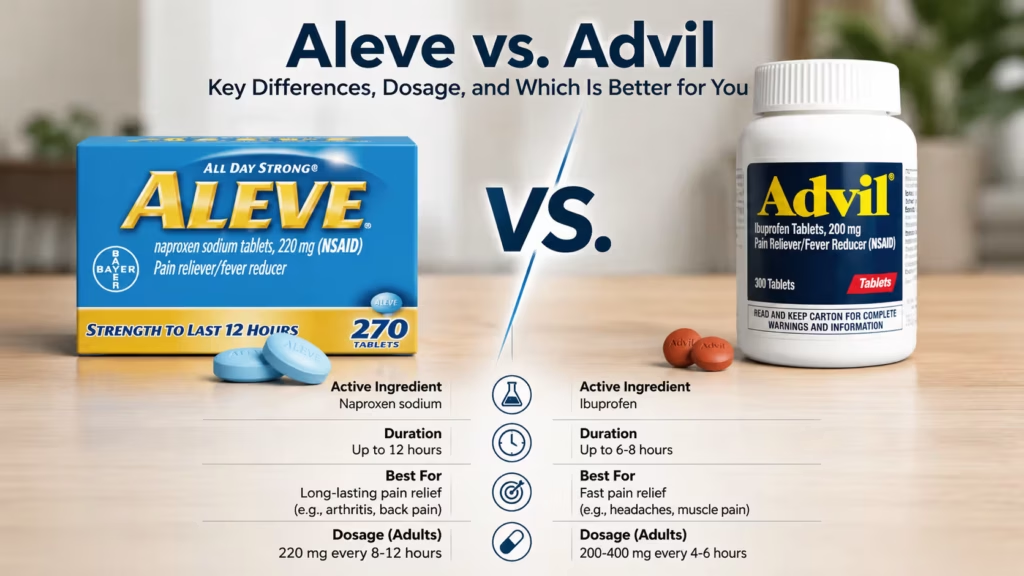
Aleve (naproxen sodium) and Advil (ibuprofen) are both over-the-counter NSAIDs, but they differ mainly in how long they last. Aleve kicks in a bit slower but lasts 8–12 hours per dose, making it convenient for all-day conditions like arthritis or menstrual cramps. Advil works faster and wears off in 4–6 hours, which suits sudden pain like headaches, fevers, or toothaches. Neither is “stronger” — they’re just built for different situations. Below: a full side-by-side comparison, dosing per the FDA label, and how to use either one safely.
When you’re dealing with pain—whether it’s from a headache, backache, arthritis, or menstrual cramps—two common names likely come to mind: Aleve and Advil. These over-the-counter (OTC) medications are among the most widely used in the U.S. Knowing which one fits your specific situation can help you feel better, faster—and stay safer.
Aleve vs. Advil: Quick Snapshot
| Feature | Aleve | Advil |
|---|---|---|
| Active Ingredient | Naproxen Sodium | Ibuprofen |
| Onset of Action | 30–60 minutes | 20–30 minutes |
| Duration | 8–12 hours | 4–6 hours |
| Best For | Chronic pain, inflammation | Acute pain, fever |
| OTC Dose (Adults) | 220 mg every 8–12 hrs (440 mg allowed for first dose) | 200–400 mg every 4–6 hrs |
| Max Daily Dose (OTC) | 660 mg | 1,200 mg |
| Common Brands | Aleve, Naprosyn | Advil, Motrin |
Dosing figures verified against the official Aleve FDA label and GoodRx’s ibuprofen dosage guide. Always follow the label on your specific product.
Aleve and Advil are both NSAIDs, but their differences make them more suitable for different situations. Understanding this can help you make more informed choices.
How Aleve and Advil Work
Both Aleve (naproxen) and Advil (ibuprofen) work by reducing substances in the body that cause inflammation and pain. They are classified as Non-Steroidal Anti-Inflammatory Drugs (NSAIDs).
NSAIDs block two enzymes called COX-1 and COX-2, which are involved in the production of prostaglandins — chemicals that promote inflammation, pain, and fever. By reducing prostaglandins, both drugs help relieve discomfort.
- COX-1 also protects the stomach lining and supports kidney function.
- COX-2 is more involved in the inflammation process.
Because both drugs affect COX-1 and COX-2, they can reduce pain but may also cause side effects, especially in the stomach or kidneys.
Key Differences Between Naproxen and Ibuprofen
1. Duration of Action
- Aleve is long-lasting, typically effective for 8 to 12 hours — naproxen’s longer half-life is what allows this.
- Advil is shorter-acting and generally lasts 4 to 6 hours, since ibuprofen has a half-life of only about 2 hours.
If you want a medication that provides all-day relief with fewer doses, Aleve may be more convenient. Advil, on the other hand, offers more control with shorter intervals between doses.
2. Dosing Frequency
- Aleve: 1 tablet (220 mg) every 8–12 hours; the label allows 2 tablets (440 mg) for the first dose, then max 3 tablets (660 mg) in 24 hours.
- Advil: 1–2 tablets (200–400 mg) every 4–6 hours, max 6 tablets (1,200 mg) in 24 hours.
Advil is preferred by those who may need pain relief only at specific times (like before bed or during work hours), while Aleve works well for long-lasting coverage.
3. Use in Children
- Advil has pediatric versions (Children’s Advil/Motrin) for ages 2 and up, weight-dosed.
- Aleve is not recommended for children under 12 without a doctor’s guidance.
4. Formulations
Both Aleve and Advil are available in tablets, caplets, liquid gels, and even topical formulas. Advil has more variety in children’s formulations.
Aleve vs. Advil: Effectiveness by Pain Type
Here’s how each medication tends to perform for common pain types:
| Pain Type | Recommended Option |
|---|---|
| Headache | Advil |
| Menstrual Cramps | Aleve |
| Muscle Pain | Advil |
| Chronic Arthritis | Aleve |
| Fever | Advil |
| Tendonitis | Aleve |
| Toothache | Advil |
| Sprain or Strain | Advil |
For acute pain, like sudden headaches or fevers, Advil’s faster onset can be more effective. For long-term inflammation, like arthritis or menstrual pain, Aleve’s longer duration helps avoid frequent dosing.
Side Effects and Precautions
Both medications are generally safe when used occasionally and as directed, but long-term or high-dose use increases risks.
Common Side Effects
- Stomach upset
- Heartburn
- Dizziness
- Headache
Serious Risks (Especially With Long-Term Use)
- Gastrointestinal bleeding or ulcers
- Kidney damage or reduced kidney function
- Elevated blood pressure
- Heart attack or stroke risk, especially in people with heart disease — the FDA requires this warning on all OTC NSAID labels
Who Should Be Cautious With NSAIDs?
- Individuals with asthma, heart conditions, or kidney/liver issues
- Those taking blood thinners or other NSAIDs
- People with a history of stomach ulcers or bleeding disorders
- People who are pregnant — naproxen in particular is not recommended in the last three months of pregnancy unless a doctor directs otherwise
Important: Always take NSAIDs with food or milk, and consult a healthcare provider if you have underlying health conditions or are taking other medications.
Can You Take Aleve and Advil Together?
No, you should not take Aleve and Advil at the same time.
Both are NSAIDs and work the same way. Taking them together increases your risk of:
- Stomach bleeding
- Kidney damage
- Additive NSAID side effects without extra pain relief
If one isn’t working well for you, try switching (after the current dose has worn off), or consider using acetaminophen (Tylenol) as an alternative. It works through a different mechanism and can sometimes be used alongside an NSAID under medical supervision.
Which One Should You Choose?
Here’s a quick guide to help you choose based on your situation:
| Condition | Best Choice | Reason |
|---|---|---|
| Headache | Advil | Faster onset, shorter duration |
| Menstrual Pain | Aleve | Long-lasting relief for recurring cramps |
| Fever | Advil | Reduces fever quickly |
| Arthritis | Aleve | Consistent inflammation control |
| Back Pain | Either | Depends on duration and personal response |
| Toothache | Advil | Quick pain relief |
| Tendonitis | Aleve | Works well for long-term inflammation |
| Short-term sprains | Advil | Flexible dosing, effective for acute pain |
Individual response can vary. Try both (not together, and not on the same day) at different times and see which works better for your specific type of pain.
Tips for Safe NSAID Use
Here are best practices to ensure NSAIDs work effectively without causing harm:
- Follow the label. Don’t exceed the recommended dose.
- Use only when necessary. Avoid regular use unless instructed by a doctor.
- Take with food or milk. This helps reduce stomach side effects.
- Avoid alcohol. It increases the risk of stomach bleeding.
- Don’t use for more than 10 days for pain, or 3 days for fever, without talking to a doctor.
- Monitor for side effects. Stop use and seek help if you experience chest pain, difficulty breathing, black stools, or severe stomach pain.
- Talk to a doctor if you’re taking other medications, especially blood thinners, steroids, or diuretics.
The Bottom Line
Both Aleve and Advil are effective, widely trusted options for pain and inflammation. They belong to the same drug class (NSAIDs) but differ in how long they last, how often you need to take them, and what types of pain they handle best.
- Use Advil for quick, short-term relief like headaches, fevers, or sprains.
- Use Aleve for longer-lasting relief from conditions like arthritis or menstrual cramps.
If you have ongoing pain, chronic inflammation, or take medications for other conditions, talk to your doctor to decide which NSAID is right for you.
Disclaimer: This article is for educational purposes only and is not a substitute for professional medical advice. Always read the product label and talk to a doctor or pharmacist before starting any new pain reliever, especially if you have other health conditions or take other medications.