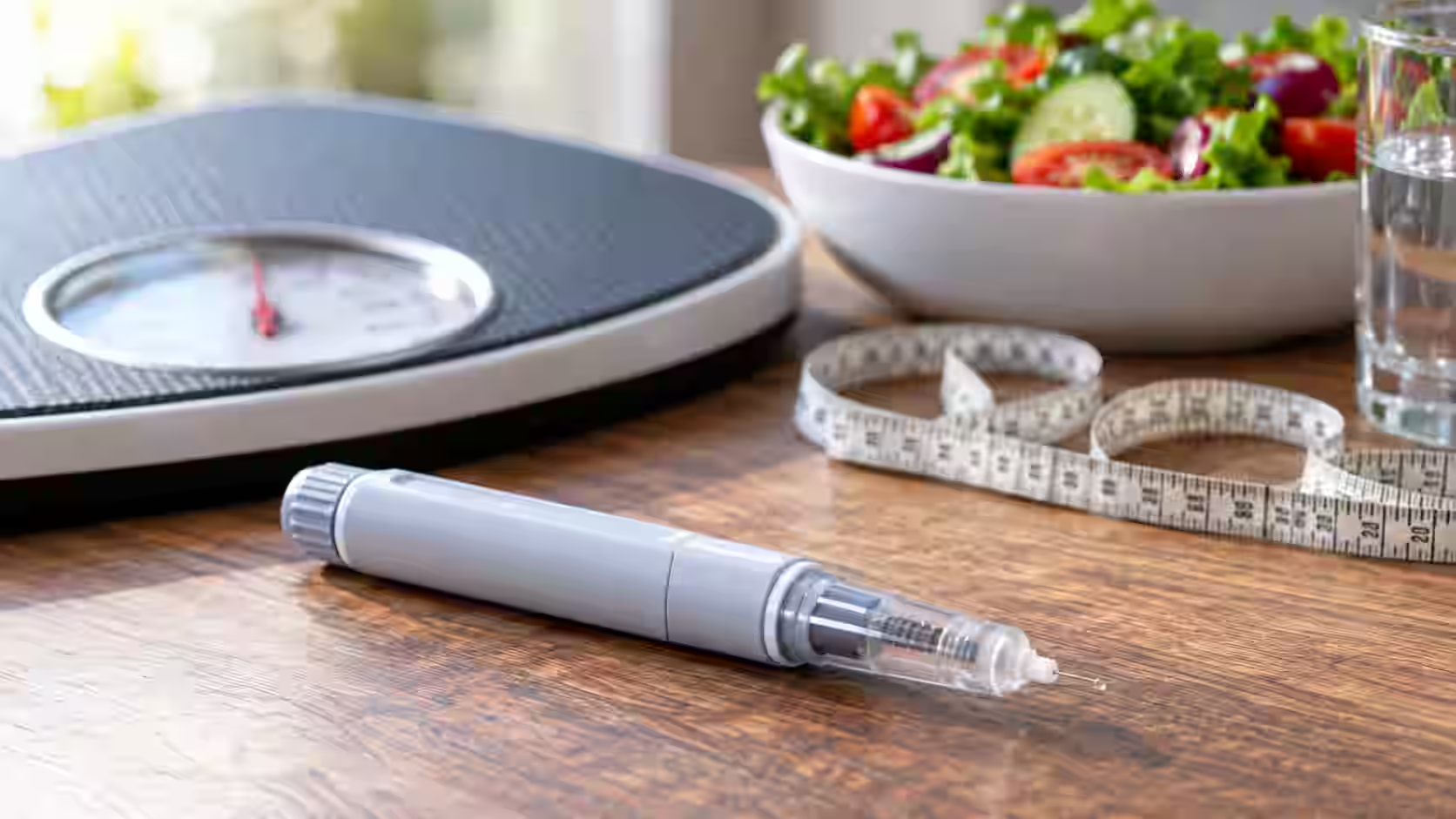
Retatrutide is an investigational injectable drug that activates three separate hormone receptors — GLP-1, GIP, and glucagon — instead of just one. That “triple agonist” design is what separates it from single-target GLP-1 drugs like semaglutide (Ozempic, Wegovy) and dual-target drugs like tirzepatide (Mounjaro, Zepbound). In Phase 3 trials, retatrutide has produced some of the largest average weight-loss numbers ever recorded for a drug of this class — but it also comes with its own side-effect profile, and as of September 2026 it still isn’t FDA approved. Below, we break down exactly how the extra glucagon component changes what this drug does in the body, how the numbers stack up against existing GLP-1 medications, and where things stand in the approval process.
What Is Retatrutide?
Retatrutide (development code LY3437943) is a synthetic peptide developed by Eli Lilly — the same company behind tirzepatide. It belongs to a drug class often called incretin-based therapies, which mimic gut hormones that regulate appetite, insulin release, and energy use after eating.
What makes retatrutide different is scope. Semaglutide activates a single receptor (GLP-1R), and tirzepatide activates two (GLP-1R and GIPR). Retatrutide activates all three major incretin-system receptors at once: GLP-1, GIP, and glucagon. It’s currently classified as a first-in-class triple hormone receptor agonist, and it’s the furthest along in clinical development of any drug in that category.
10 Key Facts About Retatrutide
- Retatrutide (LY3437943) is the first-in-class triple hormone receptor agonist, activating GLP-1, GIP, and glucagon receptors within a single molecule.
- It’s manufactured by Eli Lilly, the same company that makes tirzepatide (Mounjaro/Zepbound).
- Unlike semaglutide (GLP-1 only) or tirzepatide (GLP-1 + GIP), retatrutide’s added glucagon receptor activity appears to raise the body’s resting energy expenditure.
- As of September 2026, retatrutide is not FDA approved and remains in Phase 3 trials under Lilly’s TRIUMPH clinical program.
- In Phase 3 topline results, participants on the highest dose lost close to 30% of their body weight after 80 weeks — ahead of tirzepatide’s roughly 21% and semaglutide’s roughly 15% in their own pivotal trials.
- It’s dosed as a once-weekly subcutaneous injection, the same delivery method as Ozempic, Wegovy, Mounjaro, and Zepbound.
- Gastrointestinal side effects (nausea, vomiting, diarrhea) are common to all three drugs, but retatrutide also causes a distinct tingling or burning skin sensation called dysesthesia more often than semaglutide or tirzepatide do.
- Retatrutide produces a larger average increase in resting heart rate than tirzepatide or semaglutide, a side effect tied to its glucagon activity.
- A peer-reviewed substudy in Nature Medicine found retatrutide’s highest dose reduced liver fat by 86% at 48 weeks — one of the largest liver-fat reductions reported for any drug in clinical development.
- A dedicated cardiovascular outcomes trial (TRIUMPH-Outcomes) isn’t expected to finish until around 2029, so unlike semaglutide, retatrutide hasn’t yet proven it reduces heart attacks or strokes.
How Does Retatrutide Work? (The Triple-Agonist Mechanism)
To understand why a third receptor matters, it helps to know what each one does on its own.
GLP-1 Receptor: The Foundation
Glucagon-like peptide-1 is the hormone behind semaglutide’s effects. GLP-1 receptor activation stimulates insulin release, suppresses glucagon secretion after meals, slows stomach emptying, and reduces appetite signals in the brain — the combination that makes people feel full sooner and eat less.
GIP Receptor: Retatrutide’s Most Potent Target
Glucose-dependent insulinotropic polypeptide works alongside GLP-1 to enhance insulin secretion, but interestingly, retatrutide is actually most potent at this receptor. Emerging research suggests GIP activation may also improve fat-tissue function and help preserve lean muscle mass during weight loss, which is one reason researchers are interested in body-composition outcomes for triple agonists, not just the number on the scale.
Glucagon Receptor: What Sets Retatrutide Apart
This is the receptor neither semaglutide nor tirzepatide touches. Glucagon receptor activation raises the body’s resting energy expenditure — essentially, it nudges the body to burn more calories at rest. On its own, glucagon can also raise blood sugar, but in retatrutide’s triple-agonist design, that effect is largely offset by the simultaneous insulin-boosting action of GLP-1 and GIP. Researchers view this glucagon component as the likely driver behind retatrutide’s larger weight-loss numbers and its notably large effect on liver fat, discussed below.
Retatrutide vs. Semaglutide vs. Tirzepatide: Weight Loss Compared
All three drugs have been tested in large, randomized, placebo-controlled trials — but not always for the same trial length or in a head-to-head design, so treat the table below as a comparison of separate trials rather than a single direct contest.
| Drug | Receptors Targeted | Pivotal Trial | Average Weight Loss | FDA Status |
|---|---|---|---|---|
| Semaglutide (Wegovy) | GLP-1 | STEP-1, 68 weeks, 2.4 mg | ~14.9% (vs. 2.4% placebo) | Approved |
| Tirzepatide (Zepbound) | GLP-1 + GIP | SURMOUNT-1, 72 weeks, 15 mg | ~20.9–22.5% (vs. ~3.1% placebo) | Approved |
| Retatrutide | GLP-1 + GIP + Glucagon | TRIUMPH-1, 80 weeks, 12 mg (topline) | Up to ~30.3% | Not approved — Phase 3 |
The published, peer-reviewed Phase 2 trial for retatrutide showed weight loss of up to 24.2% at 48 weeks, and Lilly’s more recent Phase 3 TRIUMPH-1 topline results pushed that figure higher, to roughly 30% at 80 weeks — worth noting since that newer number currently comes from a company announcement rather than a fully published peer-reviewed paper. In a direct head-to-head trial between the two approved drugs (SURMOUNT-5), tirzepatide already outperformed semaglutide, at roughly 20.2% versus 13.7% weight loss over 72 weeks. Retatrutide has not yet been tested against either drug in a true head-to-head trial, so its apparent edge is based on separate trials rather than a controlled comparison.
“the GLP-1 medicine that we have viewed as the most potent” for weight loss, says Dr. Daniel Drucker, a University of Toronto professor of medicine who has consulted for Eli Lilly but was not involved in the retatrutide trial.— Dr. Daniel Drucker, quoted in Scientific American, 2026
Retatrutide FDA Approval Status (2026 Update)
As of September 2026, retatrutide is not approved by the FDA for any use — obesity, type 2 diabetes, or otherwise. It’s still moving through Eli Lilly’s Phase 3 TRIUMPH clinical trial program, which includes several separate studies:
- TRIUMPH-1 — adults with obesity or overweight; reached primary completion in April 2026 with positive topline weight-loss results.
- TRIUMPH-2 — adults with type 2 diabetes and obesity or overweight.
- TRIUMPH-3 — adults with obesity and established cardiovascular disease.
- TRIUMPH-4 — adults with obesity and knee osteoarthritis; topline results reported in December 2025 showed roughly 28.7% average weight loss alongside pain relief.
- TRIUMPH-Outcomes — a dedicated cardiovascular and kidney outcomes trial that won’t reach completion until an estimated 2029.
No confirmed FDA submission or approval date has been made public. Until the full registrational data package is reviewed, retatrutide cannot legally be prescribed for routine use outside of a clinical trial — a fact that becomes especially important in the next section.
Retatrutide Side Effects vs. Other GLP-1 Drugs
Retatrutide’s overall safety profile looks broadly similar to approved GLP-1 drugs, with gastrointestinal issues topping the list — but a couple of side effects stand out as more prominent with the triple-agonist design.
| Side Effect | Semaglutide / Tirzepatide | Retatrutide |
|---|---|---|
| Nausea, vomiting, diarrhea, constipation | Common, dose-dependent | Common, dose-dependent — similar pattern |
| Resting heart rate increase | ~2–4 beats per minute | ~5–10 beats per minute (peaks around week 24, then declines) |
| Dysesthesia (tingling/burning skin sensation) | Rare | Reported in up to ~21% of participants at the 12 mg dose in one Phase 3 trial |
| Discontinuation due to side effects | Roughly in line with placebo in most trials | Ranged from about 4% to 18% across trials and doses, vs. roughly 5% on placebo |
The heart-rate increase is directly tied to glucagon receptor activation, which raises resting energy expenditure — the same mechanism that appears to drive extra weight loss also nudges heart rate upward. Regulators are watching this closely, which is part of why the dedicated TRIUMPH-Outcomes cardiovascular trial matters: an early look at major cardiovascular events in the completed trials showed no clear excess risk, but the results were not statistically conclusive, and Lilly’s own materials note that retatrutide has not been shown to reduce heart attacks or strokes the way semaglutide has in its dedicated SELECT cardiovascular trial.
On the encouraging side, a peer-reviewed substudy published in Nature Medicine found that retatrutide’s 12 mg dose reduced liver fat by 86% at 48 weeks, with 93% of participants in that group reaching normal liver fat levels — a considerably larger effect than has typically been reported for GLP-1 monotherapy, and a promising signal for people with metabolic dysfunction-associated steatotic liver disease (MASLD/MASH).
Is It Safe to Buy Retatrutide Online Right Now?
Why “research chemical” retatrutide is risky
Because retatrutide isn’t FDA approved, a licensed doctor cannot legally prescribe it for weight loss or diabetes outside of a clinical trial. That hasn’t stopped it from showing up on gray-market “research peptide” websites — but these products carry real risks:
- No FDA oversight of purity, sterility, or accurate dosing
- Unknown or mislabeled concentrations, increasing the risk of overdose or under-dosing
- No clinical supervision to monitor for side effects like the heart-rate changes described above
- Products are not legally intended for human use, despite how they’re often marketed
If you’re interested in a GLP-1-based medication today, semaglutide and tirzepatide are FDA-approved options available through a licensed healthcare provider while retatrutide’s trials and regulatory review continue.
Beyond Weight Loss: Other Conditions Being Studied
Retatrutide’s clinical trial program extends well past obesity. Ongoing or completed studies are evaluating it for:
- Type 2 diabetes, including in people with moderate-to-severe kidney impairment
- Knee osteoarthritis, where the TRIUMPH-4 trial reported meaningful pain relief alongside weight loss
- Obstructive sleep apnea, as a substudy within the TRIUMPH-1 and TRIUMPH-2 protocols
- Liver fat reduction, in people with MASLD/MASH
- Cardiovascular and kidney outcomes, in the long-running TRIUMPH-Outcomes trial
This broad program is one reason retatrutide is generating so much attention — if the cardiovascular and long-term safety data hold up, it could end up addressing several overlapping conditions with one weekly injection.
Frequently Asked Questions
Is retatrutide FDA approved?
No. As of September 2026, retatrutide remains an investigational drug in Phase 3 clinical trials. It has not been approved by the FDA for obesity, type 2 diabetes, or any other use.
How is retatrutide different from tirzepatide (Zepbound/Mounjaro)?
Tirzepatide activates two receptors — GLP-1 and GIP. Retatrutide activates those same two plus a third, the glucagon receptor, which appears to increase resting energy expenditure and may explain its larger weight-loss results in trials so far.
Does retatrutide cause more weight loss than Ozempic or Wegovy?
In separate clinical trials, retatrutide has produced larger average weight-loss percentages than semaglutide (Ozempic/Wegovy). However, no head-to-head trial directly comparing retatrutide to semaglutide has been completed, so this comparison is based on different trials rather than a controlled matchup.
What are the main side effects of retatrutide?
The most common side effects are gastrointestinal — nausea, vomiting, diarrhea, and constipation — similar to other GLP-1 class drugs. Retatrutide is also associated with a larger increase in resting heart rate and a higher rate of dysesthesia (unusual skin tingling or burning) compared with semaglutide or tirzepatide.
Can I buy retatrutide online right now?
Not legally as an approved prescription medication. Versions sold through research-peptide or gray-market websites are not FDA regulated, may be inaccurately dosed or contaminated, and are not intended for human use.
When might retatrutide get FDA approved?
No confirmed approval date has been announced. Several Phase 3 TRIUMPH trials have reported positive topline results, but a full cardiovascular outcomes trial isn’t expected to be complete until around 2029, and the standard FDA review process takes many months once a formal application is submitted.
Does retatrutide help with anything besides weight loss?
Yes. It’s being studied for type 2 diabetes, knee osteoarthritis, obstructive sleep apnea, and liver fat reduction in people with MASLD/MASH, alongside a dedicated long-term cardiovascular and kidney outcomes trial.
Medical disclaimer: This article is for general educational purposes only and is not a substitute for professional medical advice, diagnosis, or treatment. Retatrutide is investigational and not FDA-approved. Never take an unapproved or unregulated version of any medication; always talk to a licensed healthcare provider about weight management or diabetes treatment options.
References & Further Reading
- Nature — Structural Insights into the Triple Agonism at GLP-1R, GIPR and GCGR Manifested by Retatrutide
- NCBI PMC — Mechanisms of Action and Therapeutic Applications of GLP-1 and Dual GIP/GLP-1 Receptor Agonists
- NCBI PMC — Retatrutide — A Game Changer in Obesity Pharmacotherapy
- Nature Medicine — Triple Hormone Receptor Agonist Retatrutide for Metabolic Dysfunction-Associated Steatotic Liver Disease: A Randomized Phase 2a Trial
- Eli Lilly and Company — SURMOUNT-1 Results, Tirzepatide
- ClinicalTrials.gov — TRIUMPH-1: A Study of Retatrutide in Participants Who Have Obesity or Overweight
- ClinicalTrials.gov — TRIUMPH-Outcomes: Cardiovascular and Kidney Outcomes Trial
- AJMC — Retatrutide Achieves Up to 30.3% Average Weight Loss in Phase 3 TRIUMPH-1 Trial
- Scientific American — Trial of Next-Gen Weight-Loss Drug Retatrutide Brings It One Step Closer to FDA Approval
- Drugs.com — Retatrutide: Uses, Dosing, Side Effects, Weight Loss Results