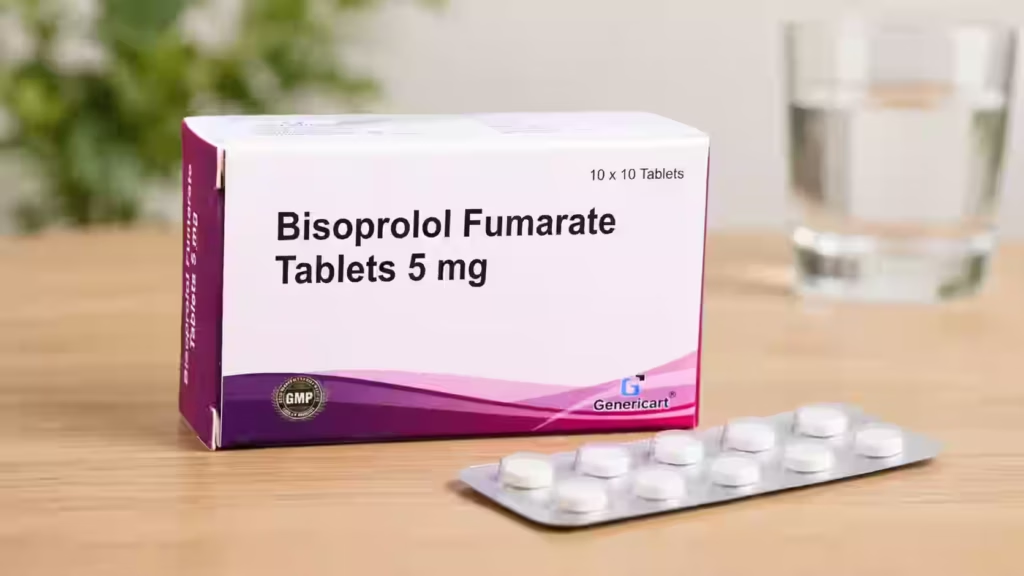
Bisoprolol is a prescription-only, once-daily beta-blocker tablet used mainly to treat high blood pressure, and it’s also prescribed for angina and, alongside other heart medicines, heart failure. It works by slowing the heart rate and easing the pressure on your arteries, so your heart doesn’t have to work as hard.
Here’s why doctors reach for it so often:
- Heart-focused action. It targets receptors in the heart more than the lungs, so it’s gentler on breathing than older beta-blockers.
- One pill, once a day. Simple dosing makes it easier to stick with long term.
- Decades of proven use. It’s a first-line option for hypertension, angina, and heart failure management.
Below, we’ll break down exactly how to take it, what dose to expect, which side effects matter, and the safety rules that keep it working the way it should.
What Is Bisoprolol Used For?
Bisoprolol belongs to a drug class called cardioselective beta-blockers. That means it mainly blocks beta-1 receptors in the heart rather than the beta-2 receptors found in the lungs and blood vessels — different beta-blockers have differing selectivity for these receptor subtypes, which is why bisoprolol tends to cause fewer breathing-related side effects than older, non-selective beta-blockers.
1. High Blood Pressure (Hypertension)
This is the main, FDA-approved use. Uncontrolled high blood pressure adds to the workload of the heart and arteries, and over time can damage the blood vessels of the brain, heart, and kidneys. Bisoprolol, used alone or with other medicines, helps control blood pressure and reduce that long-term risk.
2. Angina (Chest Pain)
The NHS notes that bisoprolol is also used for heart-related chest pain, since slowing the heart rate reduces the heart’s oxygen demand during exertion.
3. Heart Failure (Off-Label/Adjunct Use in the US, Licensed Use in the UK)
Bisoprolol is one of the beta-blockers with the strongest evidence base in heart failure with reduced pumping function. Because it’s a “second-generation,” cardioselective beta-blocker, it blocks beta-1 receptors in the heart without significantly affecting the beta-2 receptors in blood vessels and airways, unlike older, non-selective agents.
How Does Bisoprolol Work?
Think of adrenaline as pressing the gas pedal on your heart. Bisoprolol partially lifts your foot off that pedal.
- It blocks beta-1 receptors in the heart muscle, so stress hormones (like adrenaline) can’t bind as easily.
- This lowers heart rate, reduces how forcefully the heart contracts, and cuts the heart’s workload.
- It also reduces the release of renin, a hormone involved in raising blood pressure.
The net effect: a slower heart rate, lower blood pressure, and less strain on the cardiovascular system.
Bisoprolol Dosage Guide
Only your prescriber can set your exact dose, based on your condition, kidney and liver function, and how you respond. That said, here’s the typical adult starting range for hypertension:
| Purpose | Typical Starting Dose | Usual Maintenance | Maximum Dose |
|---|---|---|---|
| High blood pressure | 2.5–5 mg once daily | 5–10 mg once daily | Up to 20 mg once daily |
| Available tablet strengths | 2.5 mg, 5 mg, 10 mg | — | — |
| Combination product | Available with hydrochlorothiazide | — | — |
Key dosing facts:
- Bisoprolol is usually taken once a day, at the same time each day — often in the morning.
- It can be taken with or without food; absorption isn’t significantly affected by meals.
- Doctors often start with a low dose and increase it gradually over a week or more, which lowers the chance of side effects.
- Above 20 mg/day, bisoprolol starts to lose its “heart-only” selectivity and can begin affecting beta-2 receptors in the lungs and blood vessels — one more reason doctors stick to the lowest effective dose.
If you miss a dose: take it as soon as you remember, unless it’s almost time for your next one — in that case, skip the missed dose. Never double up to make up for a missed tablet.
How to Take Bisoprolol Safely
- Swallow tablets whole with a glass of water; don’t chew them.
- Never stop abruptly. Suddenly quitting bisoprolol can trigger a rebound in blood pressure, worsening angina, or even a heart attack in people with coronary artery disease. If you and your doctor decide to stop, the dose is tapered down gradually, usually over at least a week.
- Tell every doctor and dentist you see that you take bisoprolol, especially before any surgery.
- Keep your follow-up appointments. Your doctor needs to check your blood pressure and heart rate periodically.
- Go easy on alcohol. It can add to bisoprolol’s blood-pressure-lowering effect and increase dizziness.
- Stand up slowly. Getting up too fast from sitting or lying down can cause lightheadedness.
Bisoprolol Side Effects
Common Side Effects
These are usually mild and often ease up after the first week or two as your body adjusts.
| Side Effect | Notes |
|---|---|
| Headache | Common when starting or increasing dose |
| Fatigue / tiredness | One of the most frequently reported effects |
| Cold hands or feet, tingling | Related to reduced peripheral circulation |
| Dizziness (low blood pressure) | Rise slowly from sitting/lying positions |
| Sleep problems, vivid dreams | May improve over time |
| Nausea, diarrhea, or constipation | Usually mild |
| Cold-like symptoms (stuffy nose, sore throat) | Reported in clinical data |
Serious Side Effects — Seek Medical Help Promptly
Call your doctor or seek urgent care if you notice:
- Shortness of breath, wheezing, or chest tightness
- A very slow, irregular, or pounding heartbeat
- Swelling in the legs, ankles, or feet, or sudden weight gain
- Fainting or a strong lightheaded feeling
- Signs of an allergic reaction: hives, facial or throat swelling, trouble breathing
Overdose is a medical emergency. Signs can include an unusually slow heartbeat, severe dizziness, confusion, cold and pale skin, or seizures. If an overdose is suspected, get emergency help right away or call Poison Control (US: 1-800-222-1222; UK: call 111 or 999).
Who Should Avoid Bisoprolol? Precautions and Contraindications
Bisoprolol isn’t right for everyone. Tell your doctor before starting if you have:
- A very slow heartbeat, heart block, or severe/decompensated heart failure
- Asthma, COPD, or another breathing condition
- Diabetes (bisoprolol can mask the fast heartbeat that normally warns of low blood sugar)
- Poor circulation in the legs (peripheral arterial disease) or Raynaud’s syndrome
- Kidney or liver disease (the drug clears more slowly, so doses may need adjusting)
- Thyroid problems
Pregnancy and breastfeeding: Bisoprolol can be used in pregnancy if the benefits outweigh the risks, usually with extra monitoring. It’s not fully known whether it passes into breast milk in meaningful amounts, so this is a decision to make with your doctor.
Bisoprolol and Drug Interactions
Bisoprolol can interact with several other medicines, including:
- Other heart-rate or blood-pressure medicines — verapamil, diltiazem, clonidine, digoxin
- Diabetes medicines — insulin and oral hypoglycemics (masked hypoglycemia symptoms)
- Asthma/COPD inhalers — albuterol, salmeterol, and similar bronchodilators
- Certain antidepressants and anesthetics
This isn’t a complete list. Always share your full medication list, including over-the-counter drugs and supplements, with your prescriber or pharmacist.
Bisoprolol vs. Other Common Beta-Blockers
| Drug | Cardioselectivity | Typical Dosing | Common Use Case |
|---|---|---|---|
| Bisoprolol | High (β1-selective) | Once daily | Hypertension, heart failure, angina |
| Metoprolol tartrate | Moderate (β1-selective) | Usually twice daily | Angina, post-heart attack |
| Metoprolol succinate (ER) | Moderate (β1-selective) | Once daily | Heart failure, hypertension |
| Atenolol | Moderate (β1-selective) | Once daily | Hypertension, angina |
| Carvedilol | Non-selective + alpha-blocking | Twice daily | Heart failure |
Second-generation, cardioselective agents like bisoprolol and metoprolol block beta-1 receptors in the heart without significantly touching beta-2 receptors, which is different from older, non-selective beta-blockers.
Expert Insight
Beta-blockers as a class have decades of research behind them in heart disease, though ongoing studies keep refining exactly who benefits most.
“Beta blockers save lives after heart attacks,” says Dr. Sarah Samaan, MD, FACC, a board-certified cardiologist, in a GoodRx clinical review of beta-blockers.
That said, evidence is nuanced. A 2024 trial highlighted by the American College of Cardiology found that many doctors may not find a reason to routinely give beta-blockers to heart attack survivors who have no signs of heart failure and a normal ejection fraction, though the evidence still supports their use in patients with a large heart attack complicated by heart failure. This is exactly why your prescriber tailors beta-blocker therapy to your specific heart function, not just your diagnosis on paper.
Frequently Asked Questions
Is bisoprolol the same as a “water pill”? No. Bisoprolol is a beta-blocker, not a diuretic. It’s sometimes combined with a diuretic (hydrochlorothiazide) in a single tablet, but the two work differently.
Can I drink coffee or alcohol while taking bisoprolol? Moderate caffeine is generally fine. Alcohol is best kept to a minimum, since it can intensify bisoprolol’s blood-pressure-lowering effect and increase dizziness.
Will bisoprolol make me gain weight? Weight gain isn’t a classic bisoprolol side effect, but sudden swelling and rapid weight gain can signal worsening heart failure and should be reported to your doctor right away.
What’s the best time of day to take it? Most people take it in the morning, but ask your doctor. Interestingly, Drugs.com’s Q&A on blood pressure medicine timing points out that some research suggests taking blood pressure medication at night instead of in the morning may improve nighttime blood pressure control without hurting daytime control — though this shouldn’t be changed without your doctor’s input.
How long does it take to work? Some effect on heart rate and blood pressure appears within 24 hours, but it can take up to a week for the full effect to show.
Can I just stop taking it once my blood pressure is normal? No. A normal reading usually means the medicine is working, not that you no longer need it. Stopping abruptly can cause your blood pressure or heart symptoms to rebound. Any change in dose should be doctor-guided and gradual.
Bisoprolol is a well-established, once-daily beta-blocker that’s easy to take and generally well tolerated, especially at low doses. Its heart-selective action makes it a reasonable choice for people with breathing conditions who still need a beta-blocker, though it still requires caution in asthma, diabetes, and significant heart rhythm problems. The biggest safety rule to remember: never stop it suddenly — always taper under medical supervision.
Also Read: GLP-1 Weight Loss Drugs: Benefits, Side Effects & How They Work
Disclaimer: The information in this article is for educational purposes only and is not intended as a substitute for professional medical advice, diagnosis, or treatment. Always seek the advice of your physician or another qualified health provider before starting any new medication or health routine.