What Is Hyperlipidemia?
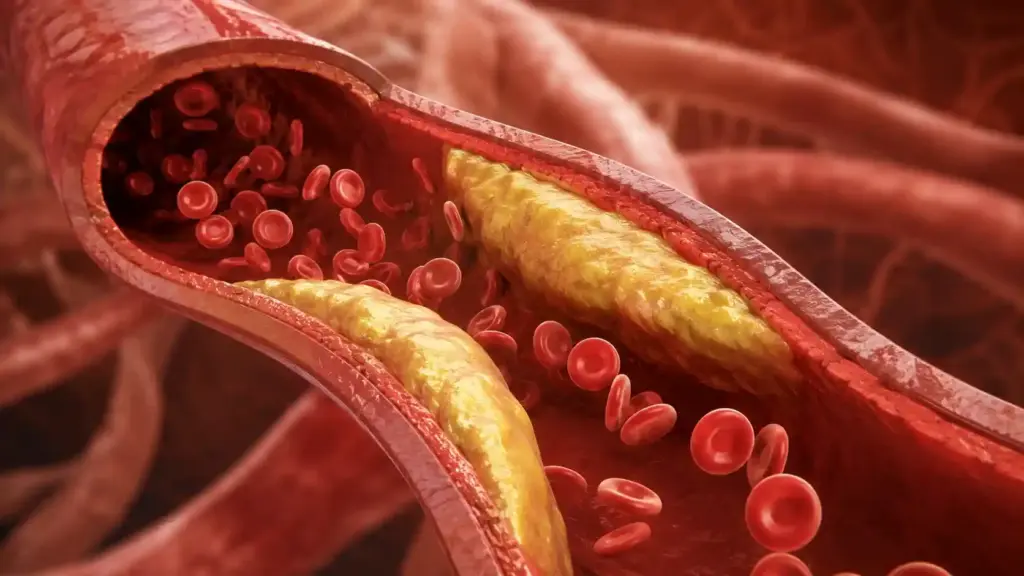
Hyperlipidemia means having abnormally high levels of lipids or lipoproteins in the blood, such as LDL cholesterol or triglycerides. Over time, excess atherogenic lipoproteins can contribute to plaque buildup in artery walls, increasing the risk of atherosclerotic cardiovascular disease (ASCVD), including heart attack and stroke.
High cholesterol usually does not cause noticeable symptoms. A blood test called a lipid panel is one of the main ways healthcare professionals identify abnormal cholesterol and triglyceride levels.
Here are 10 important facts for adults in the United States, based on current medical guidance and major U.S. health organizations.
Fact 1: Hyperlipidemia Is a Category, Not Just “High Cholesterol”
Hyperlipidemia describes elevated levels of blood lipids or lipoproteins. It can involve high LDL cholesterol, high triglycerides, or other abnormal lipid patterns.
Causes may be primary, such as inherited conditions, or secondary, such as obesity, diabetes, certain medications, excessive alcohol use, kidney disease, or hypothyroidism.
American Heart Association — Cholesterol
Fact 2: High Cholesterol Usually Has No Symptoms
High cholesterol usually does not cause symptoms, which is why testing matters. Current U.S. guidance emphasizes lipid screening in adulthood and earlier identification of abnormal lipids to help reduce long-term cardiovascular risk.
Some people may need testing more often because of diabetes, kidney disease, family history, previous cardiovascular disease, medications, or other risk factors.
2026 ACC/AHA Guideline on the Management of Dyslipidemia
MedlinePlus — Cholesterol Levels
Fact 3: High Cholesterol Affects Millions of U.S. Adults
CDC data from August 2021 through August 2023 found that 11.2% of U.S. adults age 20 and older had high total cholesterol, defined as a total cholesterol level of 240 mg/dL or higher.
Cholesterol levels also vary by age and sex, which is one reason a person’s laboratory result should be interpreted together with their overall cardiovascular risk.
CDC/NCHS — High Total Cholesterol Among Adults
Fact 4: A Lipid Panel Measures Several Important Numbers
A routine lipid panel commonly includes total cholesterol, LDL cholesterol, HDL cholesterol, and triglycerides. Some patients may also have non-HDL cholesterol, lipoprotein(a), or apolipoprotein B (apoB) evaluated when additional risk information is useful.
| Marker | General Adult Range | What It Means |
|---|---|---|
| Total Cholesterol | Below 200 mg/dL | Generally considered desirable |
| LDL Cholesterol | Below 100 mg/dL | Lower levels are generally associated with lower ASCVD risk |
| HDL Cholesterol | 60 mg/dL or higher is generally favorable | Low HDL may be associated with higher cardiovascular risk |
| Triglycerides | Below 150 mg/dL | Generally considered normal |
LDL cholesterol categories commonly used for adults are:
- Below 100 mg/dL: Optimal
- 100–129 mg/dL: Near optimal/above optimal
- 130–159 mg/dL: Borderline high
- 160–189 mg/dL: High
- 190 mg/dL or higher: Very high
For triglycerides:
- Below 150 mg/dL: Normal
- 150–199 mg/dL: Borderline high
- 200–499 mg/dL: High
- 500 mg/dL or higher: Very high
These are general reference ranges, not personal treatment targets. Your healthcare professional may recommend different LDL-C goals based on your cardiovascular risk and medical history.
2026 ACC/AHA Dyslipidemia Guideline
Fact 5: LDL Cholesterol Is a Major Treatment Target
LDL cholesterol is a major driver of atherosclerotic plaque formation, so lowering LDL-C is a central part of cardiovascular risk reduction.
However, current U.S. guidance takes a broader approach that also considers other atherogenic particles and risk markers, including triglyceride-rich remnant particles and lipoprotein(a).
Treatment decisions are based on more than a single cholesterol number. Age, diabetes, blood pressure, smoking, family history, previous ASCVD, and estimated cardiovascular risk can all affect the recommended approach.
2026 ACC/AHA Dyslipidemia Guideline
Fact 6: Some Hyperlipidemia Is Genetic
Familial hypercholesterolemia (FH) is an inherited condition that causes very high LDL cholesterol.
CDC estimates that FH affects about 1 in 311 people.
Early diagnosis and treatment can reduce the risk of premature coronary artery disease.
A strong family history of very high cholesterol or premature heart disease may be a reason to discuss FH evaluation and family screening with a healthcare professional.
CDC — Familial Hypercholesterolemia
Fact 7: Diet Can Lower LDL, but the Effect Varies
Dietary changes can improve cholesterol levels, particularly when saturated fats are replaced with unsaturated fats and the diet includes more fiber-rich foods.
Soluble fiber from foods such as oats, beans, apples, citrus fruits, and psyllium can help lower LDL cholesterol. Plant sterols and stanols can also produce modest LDL reductions in appropriate foods.
The amount of improvement varies from person to person.
PubMed — Soluble Fiber Meta-analysis
MedlinePlus — Cholesterol Levels
Fact 8: Regular Physical Activity Supports Heart Health
Regular physical activity can improve triglycerides, cardiovascular fitness, blood pressure, body weight, and overall heart health. Exercise may also produce modest changes in HDL cholesterol.
For many adults, the American Heart Association recommends at least 150 minutes of moderate-intensity aerobic activity per week, or 75 minutes of vigorous activity, along with muscle-strengthening activity.
American Heart Association — Physical Activity
Fact 9: Cholesterol Risk Is Different for Different People
Cholesterol results do not tell the whole cardiovascular-risk story.
Age, diabetes, blood pressure, smoking, family history, kidney disease, and previous cardiovascular disease can all influence risk.
The 2026 ACC/AHA guideline recommends the PREVENT-ASCVD equations for appropriate adults ages 30–79 in primary prevention. Selected patients may also benefit from tests such as lipoprotein(a), apoB, or coronary artery calcium (CAC) scoring to further refine cardiovascular risk.
2026 ACC/AHA Guideline — Top Things to Know
Fact 10: Hyperlipidemia Is Treatable and Manageable
Treatment depends on the person’s LDL-C level, triglycerides, age, medical conditions, cardiovascular history, and overall risk.
Healthy eating, physical activity, weight management, avoiding tobacco, and other heart-healthy habits are important for everyone.
When medication is indicated, statins remain a foundation of lipid-lowering treatment for many patients. Depending on the clinical situation and response to treatment, additional therapies such as ezetimibe, bempedoic acid, or PCSK9-targeting medicines may be considered.
Current guidance emphasizes individualized LDL-C and non-HDL-C goals for different levels of cardiovascular risk rather than using one target for everyone.
2026 ACC/AHA Dyslipidemia Guideline
Quick FAQ
Is hyperlipidemia the same as high cholesterol?
Not exactly. Hyperlipidemia is a broader medical term for abnormal or elevated blood lipids or lipoproteins. High cholesterol is one common form, while high triglycerides can also be part of hyperlipidemia.
MedlinePlus — Cholesterol Levels
Can hyperlipidemia be reversed?
Many people can substantially improve their lipid levels through lifestyle changes and, when appropriate, medication. Inherited conditions such as familial hypercholesterolemia generally require long-term management rather than a one-time cure.
CDC — Familial Hypercholesterolemia
What is the fastest way to lower LDL naturally?
There is no single fastest method for everyone. Practical evidence-based steps include reducing saturated fat, replacing it with unsaturated fat, increasing soluble fiber, maintaining a healthy weight, and being physically active.
The amount of LDL reduction varies between people.
PubMed — Soluble Fiber Meta-analysis
What LDL level is considered very high?
An LDL cholesterol level of 190 mg/dL or higher is generally considered very high in adults. Such levels warrant medical evaluation because they can be associated with familial hypercholesterolemia and substantially increased cardiovascular risk.
Sources
- American Heart Association — 2026 Guideline on the Management of Dyslipidemia
- American College of Cardiology — 2026 Dyslipidemia Guideline
- CDC/NCHS — High Total Cholesterol Among Adults
- CDC — Familial Hypercholesterolemia
- NIH MedlinePlus — Cholesterol Levels
- NIH MedlinePlus — LDL Cholesterol
- NIH MedlinePlus — Triglycerides
- PubMed — Soluble Fiber Meta-analysis
- American Heart Association — Physical Activity
Editorial note: This article was written by a health writer and medically reviewed by a board‑certified cardiologist. Sources include AHA, CDC, NIH/MedlinePlus, and peer‑reviewed systematic reviews. Last updated 2026‑08‑17.
Medical disclaimer: This article is for general education and does not replace medical advice, diagnosis, or treatment from a licensed healthcare professional. Talk with your healthcare provider about your cholesterol results, cardiovascular risk, medications, and personal treatment goals.