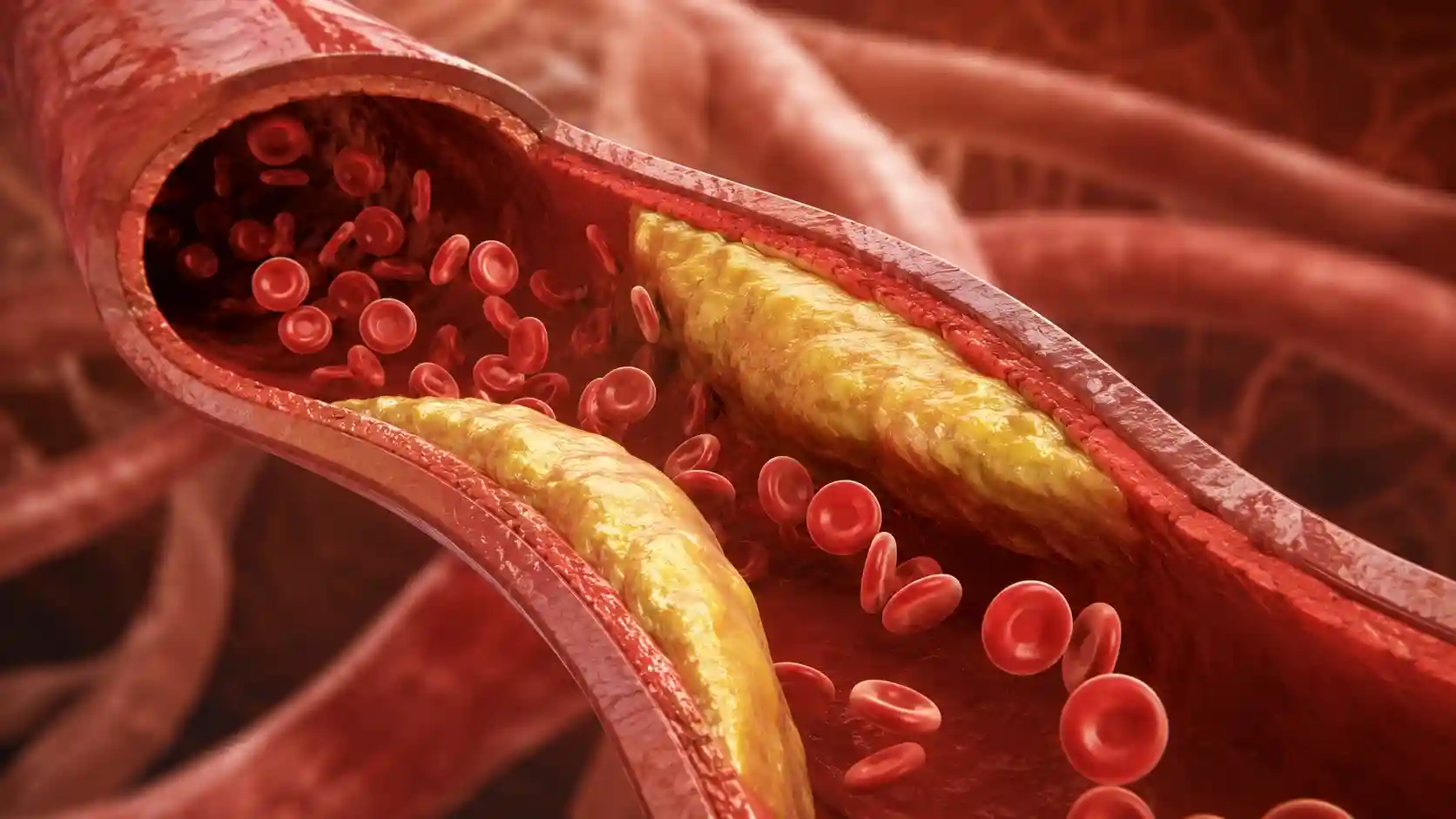
HDL, or high-density lipoprotein, is the “good” cholesterol that carries excess cholesterol out of your bloodstream and back to your liver for removal — which is why a higher HDL level is linked to a lower risk of heart attack and stroke. You can raise HDL naturally through consistent aerobic exercise, a diet built around healthy fats, gradual weight loss, and quitting smoking, and most healthy adults don’t need a prescription to do it.
Below, you’ll find 10 natural ways to increase HDL cholesterol backed by clinical research and cardiologists, a chart of what a healthy HDL number looks like for your age and sex, the best foods for boosting it, and answers to the questions people ask most.
This article is for educational purposes only and isn’t a substitute for professional medical advice. Talk with your doctor before making major changes to your diet, exercise routine, or medications. Full disclaimer at the end of this article.
- Higher HDL helps clear excess cholesterol from your arteries, which is tied to lower heart attack and stroke risk.
- Exercise, healthy fats, and quitting smoking are the three most effective natural levers for raising HDL.
- Most people notice measurable changes within 8–12 weeks of consistent lifestyle changes.
What Is HDL Cholesterol, and Why Is It Called “Good” Cholesterol?
Cholesterol travels through your blood attached to proteins called lipoproteins. Low-density lipoprotein (LDL) drops cholesterol off along artery walls, where it can build up into plaque over time. HDL does the opposite job: it picks up excess cholesterol from your bloodstream and arteries and carries it back to your liver, where it’s broken down and removed from the body. Think of LDL as the delivery truck and HDL as the cleanup crew — you want the cleanup crew working overtime.
Because of this “reverse cholesterol transport” role, people with naturally higher HDL levels tend to have a somewhat lower risk of heart attack and stroke. That said, cardiologists now treat HDL as one piece of your overall heart health picture rather than a number to chase on its own, which is a nuance we’ll come back to later in this guide.
Healthy HDL Cholesterol Levels by Age and Sex
Before you start working on your HDL, it helps to know what a healthy number actually looks like. Cholesterol is measured in milligrams per deciliter of blood (mg/dL):
| HDL Category | Men | Women | What It Means |
|---|---|---|---|
| Low (higher risk) | Below 40 mg/dL | Below 50 mg/dL | Linked to a higher risk of heart disease |
| Acceptable | 40–59 mg/dL | 50–59 mg/dL | Average protection |
| Optimal / Protective | 60 mg/dL or higher | 60 mg/dL or higher | Associated with lower cardiovascular risk |
Here’s a detail most articles on this topic leave out: higher isn’t always better. According to the Mayo Clinic, HDL levels above 100 mg/dL are considered extreme, and some research suggests people with naturally very high, often genetically driven HDL may not get the same protective benefit — and could even carry added risk. In other words, the goal isn’t to max out your HDL number, it’s to move it out of the low range through healthy habits.
10 Natural, Science-Backed Ways to Increase HDL Cholesterol
Here’s what actually moves the needle, starting with the two habits that have the strongest research behind them.
1. Make Aerobic Exercise a Regular Habit
Exercise is the most consistently proven natural way to raise HDL. A 2024 meta-analysis of randomized controlled trials in adults with overweight or obesity, published on PubMed Central, found that moderate-intensity aerobic exercise significantly raised HDL levels, while vigorous-intensity exercise did not show the same HDL-specific benefit even though it still improved other lipid markers. Interestingly, a separate 2024 network meta-analysis comparing 12 types of aerobic exercise in adults over 45 found that dance produced the largest average HDL increase — likely because people stick with it longer than they stick with a treadmill.
- Aim for at least 150 minutes of moderate-intensity activity per week, such as brisk walking, cycling, swimming, or dancing.
- Break it into manageable chunks: 20–30 minutes, 5 days a week works as well as one long session.
- If you’re just starting out, 20-minute sessions 3 times a week is a reasonable entry point.
2. Swap Saturated Fats for Monounsaturated Fats
Replacing butter, fatty red meat, and full-fat dairy with monounsaturated fats can raise HDL while also improving your LDL-to-HDL ratio. Good sources include:
- Extra virgin olive oil for cooking and dressings
- Avocados
- Almonds, cashews, and peanuts
3. Add More Omega-3 Fatty Acids to Your Diet
Fatty fish like salmon, mackerel, and sardines are rich in omega-3s, which support both HDL levels and overall heart health. Aim for two servings of fatty fish per week. If you don’t eat fish, ground flaxseed, walnuts, and algae-based omega-3 supplements are solid alternatives — just check with your doctor before adding a new supplement.
4. Eat More Soluble Fiber
Soluble fiber slows cholesterol absorption in your gut and supports a healthier overall lipid balance. Oats, barley, beans, lentils, apples, and Brussels sprouts are all easy, everyday sources you can add to meals you’re already making.
5. Lose Excess Weight Gradually
If you’re carrying extra weight, losing even a small amount can help. Research shows that losing 5–10% of your body weight can improve cholesterol markers, including HDL. Aim for a sustainable pace of about 1–2 pounds per week rather than a crash diet, which can backfire on your lipid panel.
6. Quit Smoking
Smoking lowers HDL cholesterol, and quitting is one of the fastest ways to move it back up. Research shows that former smokers tend to have higher HDL levels than people who currently smoke, and the improvement can begin within weeks of quitting.
7. Don’t Rely on Alcohol as an HDL Strategy
You may have heard that moderate drinking, especially red wine, raises HDL. Some observational studies do show this correlation. But cardiologists are quick to caution against using it as a strategy:
“The goal isn’t to force your HDL to go up to a specific threshold.” — Dr. Ashish Sarraju, cardiologist, Cleveland Clinic
Cleveland Clinic cardiologists specifically advise against drinking to raise HDL, since alcohol’s other health risks — including increased cancer and liver disease risk — outweigh any modest cholesterol benefit. If you don’t already drink, this isn’t a reason to start.
8. Prioritize 7–9 Hours of Sleep
Poor sleep is linked to several metabolic issues, including lower HDL. Treating sleep as a non-negotiable part of your routine — consistent bedtime, dark room, limited screens before bed — supports your cholesterol along with your energy and mood.
9. Manage Chronic Stress
Ongoing stress affects cholesterol and heart health over time. Simple, repeatable practices like a daily walk, short breathing exercises, or even 10 minutes of stretching can help take the edge off without requiring a complete lifestyle overhaul.
10. Add Plant Sterols and Antioxidant-Rich Foods
Plant sterols and stanols — found naturally in nuts, seeds, and whole grains — resemble cholesterol closely enough to compete with it for absorption in your gut, which helps balance your overall cholesterol profile. Pairing these with antioxidant-rich foods like berries and colorful vegetables helps protect the HDL you already have from oxidative damage.
Quick Reference: Do’s and Don’ts for Raising HDL Naturally
| Do | Don’t |
|---|---|
| Walk, cycle, or dance 30 minutes most days | Rely on “detox” supplements with no real evidence |
| Cook with olive oil instead of butter | Use trans fats or reused frying oil |
| Eat fatty fish twice a week | Start drinking alcohol just to raise HDL |
| Aim for 25–30g of fiber daily | Chase a specific HDL number instead of overall heart health |
Best Foods to Naturally Increase HDL Cholesterol
| Food | Why It Helps |
|---|---|
| Extra virgin olive oil | Rich in monounsaturated fat and polyphenol antioxidants |
| Fatty fish (salmon, mackerel, sardines) | High in omega-3 fatty acids EPA and DHA |
| Avocados | Combines monounsaturated fat with fiber |
| Almonds and walnuts | Healthy fats plus plant sterols |
| Beans and lentils | Soluble fiber that also helps lower LDL |
| Oats and barley | Beta-glucan fiber supports lipid balance |
| Ground flaxseed | Omega-3 ALA and cholesterol-friendly lignans |
| Berries | Antioxidants that help protect HDL from oxidative damage |
| Leafy greens (spinach, kale) | Antioxidants and additional fiber |
What Do Cardiologists Say About Raising HDL?
Heart disease remains the leading cause of death in the United States, and unhealthy cholesterol is one of the most modifiable risk factors behind it. But the science on HDL has become more nuanced in recent years. Large population studies going back decades linked low HDL with higher heart attack risk, which is why it’s still part of standard risk calculators. At the same time, drugs designed specifically to raise HDL haven’t been shown to reduce heart attacks the way statins do — which is why most cardiologists now view a low HDL number less as a target to fix on its own, and more as a signal to look at your overall heart health, the way Dr. Sarraju describes above.
The American Heart Association echoes this: everyday habits like staying active, eating a balanced diet, and avoiding tobacco support healthy HDL levels over time, and small, sustainable changes tend to work better than dramatic overhauls.
How Long Does It Take to Raise HDL Naturally?
Most people notice measurable HDL changes within 8 to 12 weeks of consistent exercise and dietary changes, with more significant improvements over 6 months of sustained habits. Genetics play a large role in your baseline HDL level, so two people doing the exact same routine may see different results — that’s normal, and it’s why overall heart health matters more than hitting a specific number.
When Should You See a Doctor About Low HDL?
- Your HDL is persistently below 40 mg/dL (men) or 50 mg/dL (women) despite lifestyle changes
- You have a family history of early heart disease
- You have diabetes, prediabetes, or metabolic syndrome alongside low HDL
- Your doctor is considering cholesterol medication and you want to understand your options first
Frequently Asked Questions
What is a good HDL cholesterol level?
An HDL level of 60 mg/dL or higher is considered protective for both men and women. Below 40 mg/dL for men or below 50 mg/dL for women is considered low.
Can you raise HDL cholesterol without medication?
Yes. For most healthy adults, regular aerobic exercise, healthy fats, gradual weight loss, and quitting smoking can meaningfully raise HDL without medication. People with existing heart disease or a genetic lipid disorder should still involve their doctor.
Does drinking alcohol raise HDL cholesterol?
Some studies link moderate drinking to slightly higher HDL, but cardiologists don’t recommend starting or increasing alcohol use to raise it, since the other health risks outweigh the small benefit.
How fast can you raise your HDL cholesterol?
Most people see measurable changes within 8–12 weeks of consistent habits, with bigger improvements over 6 months. Results vary by individual genetics.
Can HDL cholesterol be too high?
In rare cases, yes. Levels above 100 mg/dL are considered extreme, and some research suggests very high, often genetically driven HDL may not be protective.
What foods or habits lower HDL cholesterol?
Trans fats, a diet high in refined carbs and added sugar, smoking, and a sedentary lifestyle are all associated with lower HDL.
Raising your HDL naturally isn’t about chasing one magic number — it’s about stacking a handful of habits that reinforce each other: regular aerobic exercise, swapping saturated fats for monounsaturated and omega-3 fats, losing excess weight gradually, quitting smoking, and protecting your sleep. Do a few of these consistently for 8–12 weeks and you’ll likely see your numbers move, along with your overall heart health. If your HDL stays low despite real effort, that’s your cue to loop in your doctor rather than push harder on your own.
Also Read: 5 Best Cholesterol Medicines for High Cholesterol: Benefits, Risks
Disclaimer: The information provided in this article is for educational purposes only and is not intended as a substitute for professional medical advice, diagnosis, or treatment. Always seek the advice of your physician or another qualified health provider before starting any new health routine, changing your diet, or discontinuing any medication.