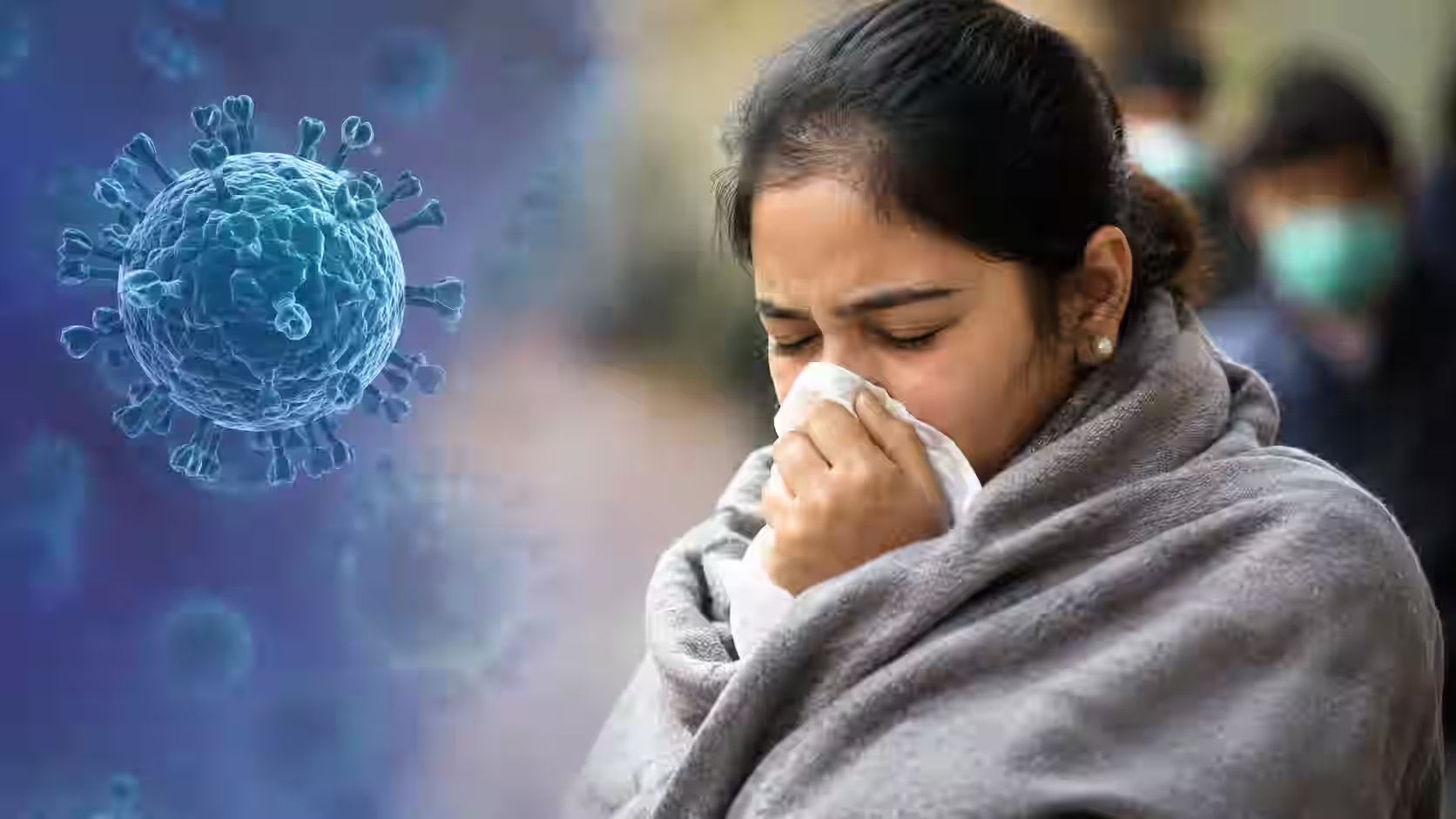
Anaplasmosis is a tick-borne disease that spreads through the bite of an infected tick. It can cause flu-like illness, and symptoms often start about 5 to 21 days after a tick bite. Common signs include fever, chills, headache, muscle aches, tiredness, and sometimes stomach upset. Doctors treat it with antibiotics, and early treatment gives people the best chance of a quick recovery.
What Is Anaplasmosis?
Anaplasmosis is a bacterial infection caused by Anaplasma phagocytophilum. In Canada, infected blacklegged ticks and western blacklegged ticks can spread it to people. The disease can range from mild to severe, so it is important to act early if you think a tick bit you.
Common Symptoms
Anaplasmosis often looks like the flu at first. The most common symptoms include:
- Fever
- Chills
- Headache
- Muscle aches
- Tiredness
- Nausea or stomach upset
Symptoms usually begin within one to two weeks after the bite. Some people also develop more serious illness if they do not get treated quickly.
Thousands Sick: The Parasite Causing Explosive Diarrhea in 2026
How Doctors Treat It
Doctors usually treat anaplasmosis with doxycycline. Public health guidance in Canada says doctors should start treatment early when they suspect anaplasmosis, even before test results come back. Early treatment lowers the risk of severe illness and supports a better recovery.
How to Prevent Tick Bites
The best way to prevent anaplasmosis is to avoid tick bites. Health agencies in Canada and the United States say there is no vaccine for anaplasmosis right now. You can lower your risk by using tick repellent, wearing long clothes, checking your body after outdoor time, and removing ticks as soon as possible.
When to See a Doctor
See a doctor if you have fever, headache, muscle aches, or tiredness after a tick bite or after time outdoors in a tick area. Tell your doctor about any tick exposure, even if you do not remember a bite. Quick treatment matters because anaplasmosis can become serious if you wait too long.
Anaplasmosis is a serious but treatable tick-borne disease. If you catch it early, antibiotics can help you recover well. The smartest step is simple: prevent tick bites, watch for symptoms, and get medical care fast if you feel sick after outdoor exposure.
Disclaimer: This article is for general information only and is not a substitute for medical advice, diagnosis, or treatment. Always speak with a qualified health professional about any symptoms or tick bite concerns.