Heart disease is still the #1 killer in America — and for most people, that risk is quietly shaped by what’s on their plate three times a day. If you’ve ever left a doctor’s visit with a cholesterol number that made you wince, or you’re simply trying to avoid becoming a statistic, you’re in the right place. This guide breaks down the heart health foods and diet tips that actually move the needle, based on current data from the CDC, NIH, and Mayo Clinic.
Why Heart Health Foods Matter More Than Ever
Heart disease has remained the leading cause of death in the United States for over seven decades, and it currently claims roughly 680,000 to 685,000 American lives every year — more than cancer and accidental deaths combined, according to the American Heart Association’s most recent statistics update. Nearly half of U.S. adults now have hypertension, and more than seven in ten carry an unhealthy body weight, both of which are major drivers of cardiovascular risk.
The encouraging part: heart disease is largely preventable. The CDC and Mayo Clinic both point to diet as one of the most controllable risk factors — right alongside physical activity, smoking status, and blood pressure management.
Best Heart Health Foods: What to Eat More Of
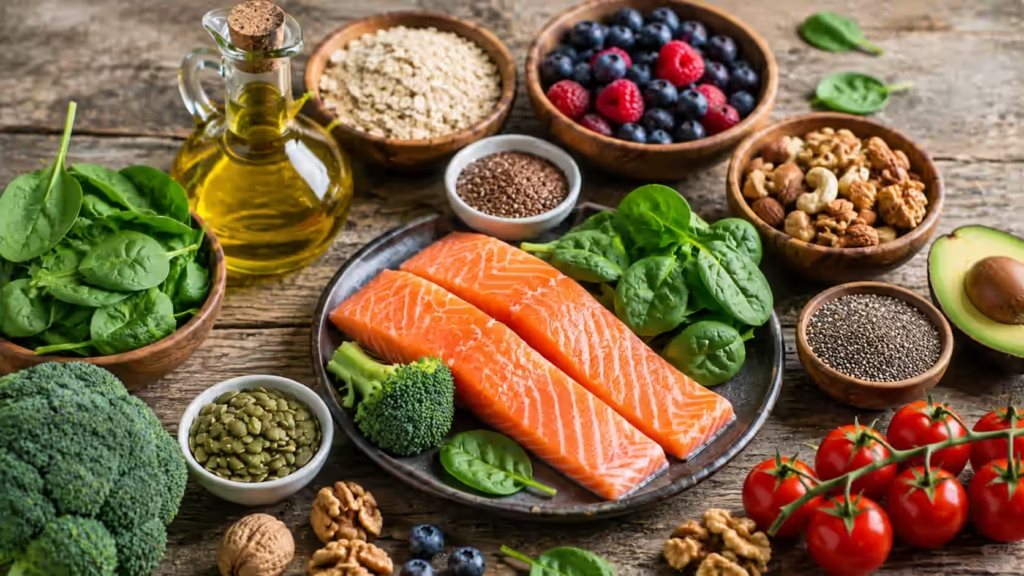
- Fatty fish — Salmon, mackerel, and herring are rich in omega-3 fatty acids, which help reduce blood pressure and support healthy triglyceride levels.
- Whole grains — Oats, quinoa, barley, and brown rice supply soluble fiber that helps block cholesterol absorption in the bloodstream.
- Leafy greens and colorful vegetables — Spinach, kale, and peppers deliver fiber, potassium, and antioxidants with virtually no saturated fat.
- Legumes — Beans, lentils, and peas are cholesterol-free protein sources that can replace higher-fat meats in everyday meals.
- Nuts and seeds — Walnuts, almonds, and ground flaxseed provide unsaturated fats and fiber that support healthy cholesterol ratios.
- Olive and canola oil — Swapping butter for these oils replaces saturated fat with heart-friendlier monounsaturated fat.
- Berries — Blueberries and strawberries are high in fiber and polyphenols linked to better vascular health.
Heart Health Foods vs. Foods to Limit
| Eat More Often | Limit or Avoid |
|---|---|
| Salmon, mackerel, sardines | Processed and red meats |
| Oats, quinoa, whole wheat bread | White bread, sugary cereals |
| Olive oil, avocado, nuts | Butter, shortening, fried foods |
| Beans, lentils, tofu | Fatty cuts of beef and pork |
| Fresh fruit, unsalted snacks | Packaged snacks high in sodium |
Mayo Clinic’s Approach to a Heart-Healthy Diet
Mayo Clinic cardiologists frame heart-healthy eating as a series of small, sustainable swaps rather than a strict diet. As Dr. Ripu Singh, a Mayo Clinic Health System cardiologist, puts it:
“Small changes can make a big impact in reducing your risk of heart disease.” — Dr. Ripu Singh, Mayo Clinic Health System
Mayo Clinic’s core dietary guidance includes limiting saturated fat to under 10% of daily calories, capping sodium around 2,300 mg per day (about one teaspoon of salt), and prioritizing plant-based protein over red meat wherever possible.

Lifestyle Tips to Pair With a Heart-Healthy Diet
- Aim for at least 150 minutes of moderate exercise per week — brisk walking counts.
- Read nutrition labels and choose items with less than 5% of the Daily Value for sodium per serving.
- Cook at home more often; restaurant and packaged meals are typically higher in sodium and saturated fat.
- Swap one red-meat meal per week for beans, lentils, or fish.
- Keep pre-washed vegetables and fruit visible in the fridge for easy snacking.
- Get an annual blood pressure and cholesterol screening, since many heart conditions have no early symptoms.
Frequently Asked Questions
What foods lower cholesterol the fastest?
Soluble fiber sources like oatmeal, beans, and apples, along with fatty fish rich in omega-3s, tend to show measurable improvements in LDL cholesterol within a few weeks of consistent use.
How much sodium should I eat per day for heart health?
The American Heart Association recommends no more than 2,300 mg of sodium daily, with an ideal limit closer to 1,500 mg for most adults, especially those with high blood pressure.
Is red meat completely off-limits for heart health?
No. Mayo Clinic guidance suggests choosing lean cuts and limiting portions rather than eliminating red meat entirely — moderation and frequency matter more than total avoidance.
Can diet alone prevent heart disease?
Diet is one of several major factors. The CDC lists high blood pressure, smoking, diabetes, physical inactivity, and excess alcohol use alongside diet as key modifiable risk factors, so a full lifestyle approach works best.
What’s the single best food to start with?
Fatty fish like salmon, eaten twice a week, is one of the most consistently supported recommendations across CDC, NIH, and Mayo Clinic guidance for heart health.
Take Heart Health Into Your Own Hands
None of these changes require a total lifestyle overhaul overnight. Start with one swap this week — maybe it’s trading butter for olive oil, or adding a can of beans to your dinner rotation — and build from there. Small, consistent choices are exactly what cardiologists say move the needle most.
Share this with a friend who cares about heart health — a text or a tag might be the nudge someone needs to make their first heart-healthy swap.
Also Read: Coffee and Heart Health: What New 2026 Research Reveals
Disclaimer: This article is for informational purposes only and is not a substitute for professional medical advice, diagnosis, or treatment. Always consult a physician or registered dietitian before making significant changes to your diet, especially if you have an existing heart condition.